Learn the difference between the two types of paint protection. Protect your car with Auto Complex.
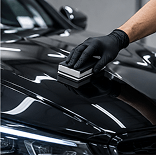
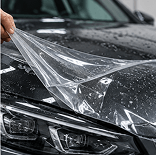
Paint protection shields your car's clearcoat from the elements. There are two main methods of paint protection: a chemical coating that cures into a hard, slick layer when applied, and a protective film that’s laid over the panel, thick enough to absorb an impact.
We call these ceramic coating and paint protection film.
Your car’s paint has multiple layers, and the topmost layer is your clearcoat. It is a transparent layer that gives your car its gloss and is roughly as thick as a fingernail. Paint protection shields your car from stone chips, swirls, scratches, and degradation from the sun.
Know the key difference between both types of paint protection.
Joint developers of Detailers Lab ceramic protection
30 years' experience with paint protection
Honest and transparent pricing
Paint protection warranties available
Contact our team and tell us the make and model
of your car and how it's used.
Open Mon to Fri, 8 am to 4 pm. Saturdays by appointment.
120 Bayfield Road East, Bayswater North, VIC 3153.

Paint protection is anything applied to a vehicle to shield its clearcoat, which is the transparent top layer of the paint. It’s available in either ceramic coating or paint protection film. Paint protection is highly common among car owners who want to protect their investment from chips, scratches, and bird droppings.
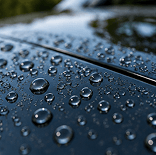
Ceramic coating is chemical, and paint protection film is physical. A coating makes the surface slick so water beads off and contamination struggles to bond, which makes the car easier to keep clean and helps it hold its gloss. It offers no protection against impact. Film is a physical layer that takes stone chips and light scratches instead of the paint, and it self-heals minor marks.
Both paint protection film and ceramic coatings can last up to 10 years. However, paint protection needs to be maintained. A coating that's never maintained accumulates contamination and acidic fallout, which erodes the layer over time, and that's wear rather than a fault.
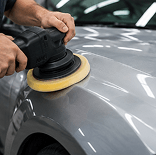
It depends on how you use the car. The advantage of doing it early is that the paint is undamaged, so there's little or no correction needed first, and you're preserving its factory finish. If you’ve just bought a new car that's about to spend its life on gravel roads, consider a paint protection film. Ceramic coating is more suitable for cars that commute on sealed city roads.